
This number is even higher for those of the BIPOC community. Continuous data from the U.S. Census Bureau found that in 2018 25% of Black households with children and 17% of Hispanic households with children were food insecure. Not only have these rates of food insecurity worsened in these groups during the pandemic, but the gaps between racial groups have widened. U.S. Census Bureau found that Black and Hispanic households with children are now nearly twice as likely to be struggling to afford food as white families with children.
These increased numbers are visible right here in Newton. The Newton Food Pantry numbers have tripled since the pandemic, from around 3,500 visits or deliveries in 2018 to over 10,000 in 2021! During the same period, our BIPOC clientele has increased. Currently, 70% of our clients identify as BIPOC.
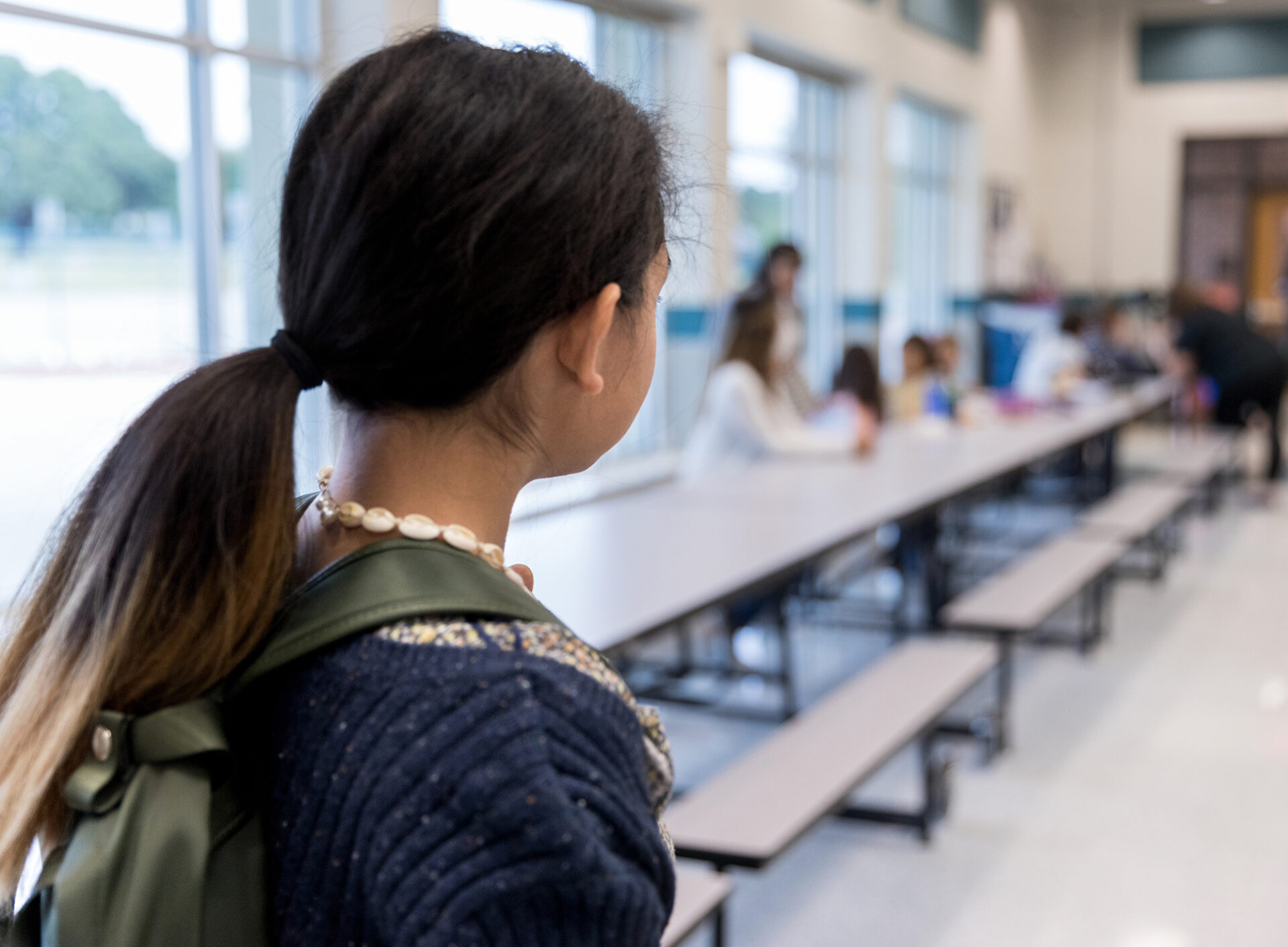
In addition to food pantries and other forms of financial help, many families rely on free school meals to provide food. With summer coming, no school means no free meals for some. The Newton Public Schools will not be offering free bagged lunches this summer. In addition, according to a recent article by Newton Public School District News, the federal government has announced that free, universal school meals will end on June 30, 2022.
According to the U.S.D.A., the National School Lunch Program is one of the nation’s largest food and nutrition assistance programs. On average, they currently provide free and/or low-cost meals to over 30 million children a day—a large uptick from the 20 million before the pandemic. With the removal of free, universal school meals, families must now submit forms and only qualify if they make less than roughly $30,000.
Paying for school meals is a burden for many families, even those making over $30,000. Plus, having to qualify for free or reduced lunch creates shame for students. When free meals are available to all students, no one is singled out.
Childhood nutrition is essential to a strong and healthy future, and food insecurity at a young age can cause future medical problems. Professor of public health nutrition at NYU School of Global Public Health, Niyati Parekh, states “Food security is not only about putting calories into our bodies, but also what we eat—and it is calorie-dense, nutrient-poor foods that are typically cheap and affordable. So while food insecurity can lead to hunger, over time it can also lead to obesity and other related metabolic dysregulation”.
Director of school programs at the Food Research & Action Center, an anti-hunger group, Crystal FitzSimons also touches on this, writing that “One of the easiest things you can do to make sure that kids have what they need and that they’re going to be in class, able to focus and learn and concentrate, is making sure that they have access to a school breakfast and school lunch.”
While we cannot control school meals, the Newton Food Pantry can offer assistance to any Newton family struggling to put food on the table this summer, and all year long. We are proud to offer healthy and nutritious food—from fresh produce to protein and dairy, as well as personal care items, culturally-relevant food and more! And, the Newton Community freedge—our 24/7 free fridge and pantry at 420 Watertown Street, Newton— is an anonymous food resource to anyone, any time.