
A North Carolina State University study found that food insecurity disproportionately (more than 50%) affects diverse populations, which means those who are in need are less likely to find food that is unique to their culture. At the Newton Food Pantry, at least 70% of our clients are BIPOC and one third identify as Asian. Across the U.S., vulnerable people of Asian descent — many of whom are low-income, recent immigrants, undocumented and elderly — are facing food insecurity as they cope with record levels of unemployment.
After visiting pantries and listening to many pantry clients, Food Bank News found that clients preferred to receive food familiar to them, and giving people the opportunity to have some level of control, like food choice, is one way to break down the stigma of accessing food relief. Connecticut Foodshare’s Institute for Hunger Research & Solutions found that over 42% of those who are food insecure are too embarrassed to use a pantry. Small things, like swapping out traditional “staple” foods for culturally-relevant ones, can make someone feel more comfortable when reaching out for help.
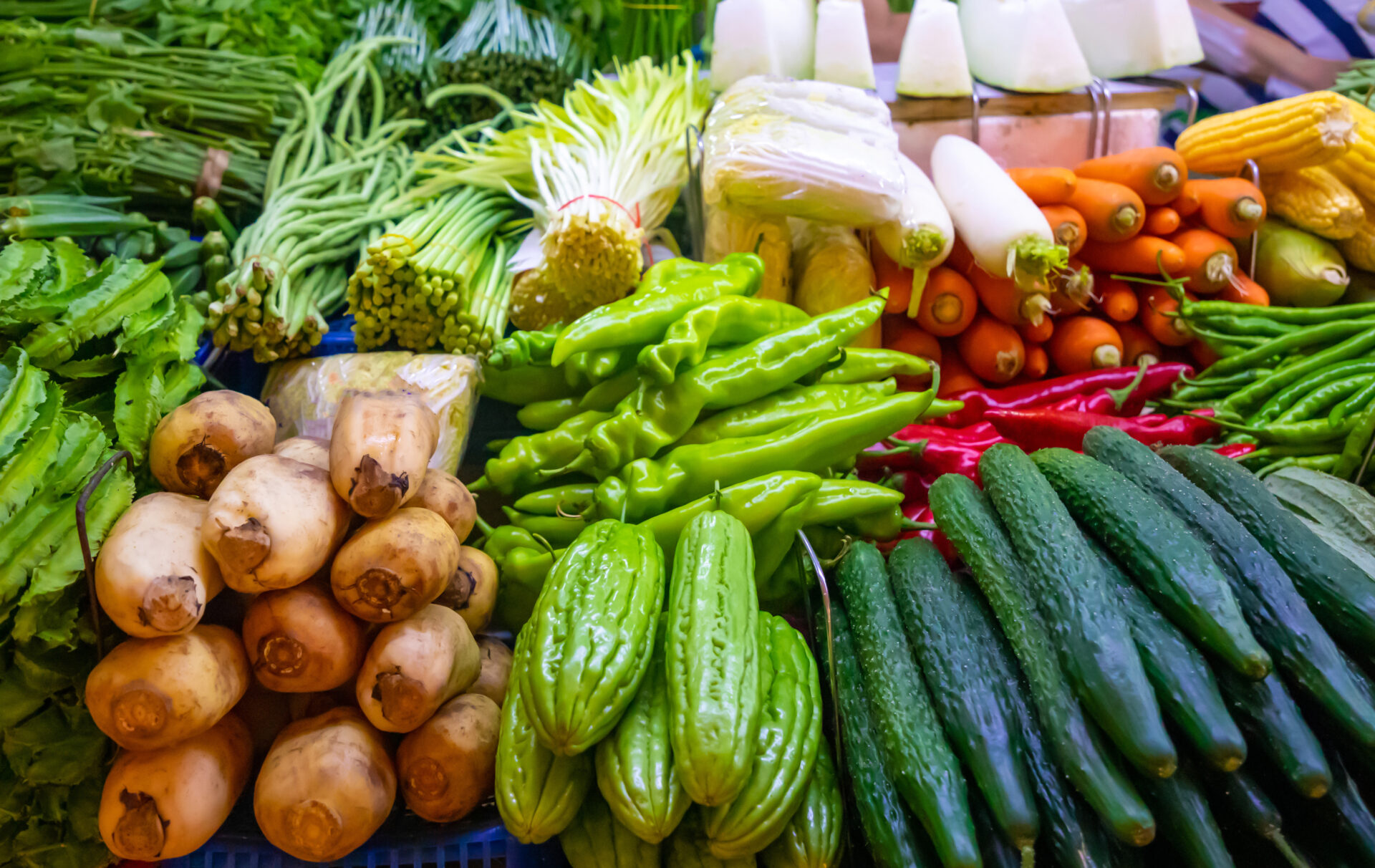
At the Newton Food Pantry, we make it a priority to offer a broad selection of culturally-relevant food so all our clients feel welcome and can get a “taste of home”. We spend over $5,000 per month shopping at specialty markets for foods of all cultures. We also make it a priority to have client-facing volunteers that share many of our clients’ cultures and languages. These efforts remove barriers for marginalized groups, as well as create comfort and reduce shame.
Local businesses and organizations have recognized the importance of offering culturally-relevant foods, and now sponsor the $5,000 monthly cost. Thank you to: Village Bank, Eastern Bank, William James College, Boston Showcase Company, Aronson Insurance, and Wegmans. We are grateful for their support, and welcome other sponsors.
As grocery prices are on the rise, our clients appreciate not only the staples we offer but also our wide selection of culturally-relevant foods — allowing them to continue creating dishes that feel like home!